- 04/03/2025
- Redazione
- 0
Innovazione, Transizione verso una mobilità pulita e Competitivita: ecco ciò che ha detto la Presidente von der Leyen
Dopo la conclusione del secondo incontro del Dialogo strategico sul futuro dell’industria automobilistica europea, la Presidente Ursula von der Leyen, in attesa del piano d’azione per l’industria automobilistica europea che sarà presentato domani 5 marzo, annuncia alcune delle azioni prioritarie.
Domina il tema dell’innovazione
La presidente ha iniziato la Sua comunicazione parlando dell’innovazione che “dovrebbe essere, senza alcun dubbio, al centro di tutto ciò che facciamo per garantire il futuro dell’industria automobilistica in Europa”
Per questo è necessario “spingere nel software e nell’hardware per la guida autonoma, dove la concorrenza globale è feroce.”
“Ecco perché” fa sapere la von der Leyen “abbiamo concordato che creeremo e sosterremo un’alleanza di settore. Le aziende saranno in grado di mettere in comune le risorse. Svilupperanno software, chip e tecnologia di guida autonoma condivisi. Da parte nostra, perfezioneremo le regole di test e distribuzione. Aiuteremo anche a lanciare progetti pilota su larga scala per la guida autonoma. Perché l’obiettivo è molto semplice: dobbiamo portare i veicoli autonomi sulle strade europee più velocemente”.
Transizione verso auto pulite
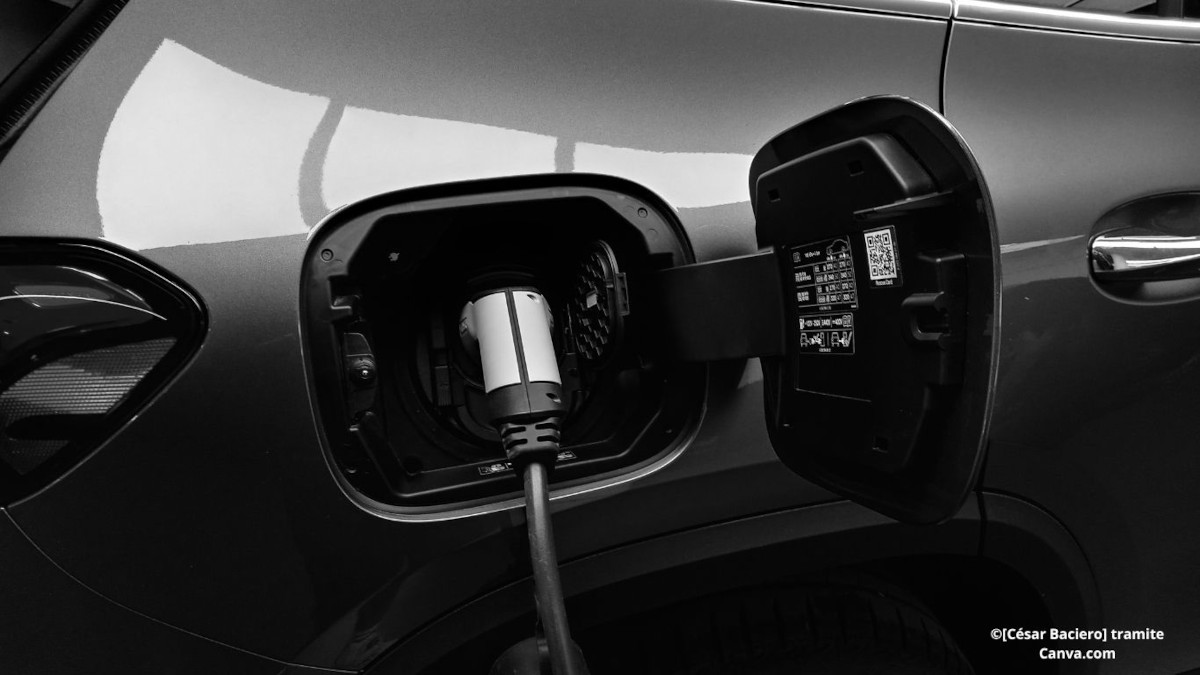
Il secondo argomento che è stato dibattuto è stato quello riguardante la transizione verso una mobilità pulita.
La Presidente chiarisce come in merito ci sia una chiara richiesta di maggiore flessibilità sugli obiettivi di CO2. “Il principio chiave qui è l’equilibrio. Da un lato, abbiamo bisogno di prevedibilità ed equità per i pionieri, coloro che hanno fatto i compiti con successo. Ciò significa che dobbiamo attenerci agli obiettivi concordati. Dall’altro, dobbiamo ascoltare le voci degli stakeholder che chiedono più pragmatismo in questi tempi difficili e neutralità tecnologica. Soprattutto quando si tratta degli obiettivi del 2025 e delle relative sanzioni in caso di inadempienza”.
“Per affrontare la questione in modo equilibrato, questo mese proporrò un emendamento mirato al regolamento sugli standard di CO2” ha annunciato la von der Leyen “Invece della conformità annuale, le aziende avranno tre anni”.
Competitività
Per quanto concerne il tema della competitività la presidente ha messo in evidenza come nonostante la produzione europea sia in aumento le batterie importate siano più economiche a svantaggio delle filiere europee.
“Abbiamo bisogno che le filiere europee di fornitura di automobili siano più solide e più resilienti, soprattutto quando si tratta di batterie. Qui, abbiamo una sfida. Perché mentre la nostra produzione è in fase di aumento, vediamo che le batterie importate sono più economiche. Non possiamo permettere che i veicoli elettrici diventino più costosi. Ma non possiamo nemmeno permetterci di creare nuove dipendenze. Quindi, esploreremo il supporto diretto per i produttori di batterie dell’UE. Introdurremo gradualmente requisiti di contenuto europei per celle e componenti di batterie. E naturalmente, continueremo a ridurre la burocrazia. La semplificazione normativa continuerà”.
Il dialogo con l’industria automobilistica continuerà
La presidente Ursula von der Leyen in conclusione della Sua comunicazione ha dato appuntamento per le ulteriori misure alla presentazione del Piano d’Azione, sottolineando come l’incontro di ieri non ha rappresentato la fine del dialogo con l’industria automobilistica che continuerà anche attraverso i filoni di lavoro con i Commissari. E’ stato già infatti concordato un prossimo incontro a livello di CEO prima della pausa estiva.
Si riporta la comunicazone in lingua originale
Good afternoon,
Today, we had the second meeting of the Strategic Dialogue on the Future of the European Automotive Industry. We had a good, intense and productive discussion. And it is very clear now that it is time for action. Action on a number of priorities. I want to share my thoughts on that with you.
First, the topic of innovation was dominant. It should be the front and centre of everything we do to secure the future of the car industry in Europe, without any question. For example, we have agreed that we need a big push in software and hardware for autonomous driving. We know that global competition is fierce. So we have to act big and we have to be big. Scale on this topic matters, more than ever before. That is why we have agreed that we will set up and support an industry alliance. Companies will be able to pool resources. They will develop shared software, chips and autonomous driving technology. On our side, we will refine the testing and deployment rules. We will also help launch large-scale pilots for autonomous driving. Because the goal is very simple: We have to get autonomous vehicles on Europe’s roads faster.
The second topic that we have discussed was the transition towards clean mobility. There is a clear demand for more flexibility on CO2 targets. The key principle here is balance. On the one hand, we need predictability and fairness for first movers, those who did their homework successfully. That means that we have to stick to the agreed targets. On the other, we need to listen to the voices of the stakeholders that ask for more pragmatism in these difficult times, and for technology neutrality. Especially when it comes to the 2025 targets and related penalties in case of non-compliance. To address this in a balanced manner, I will propose a focused amendment to the CO2 Standards Regulation this month. Instead of annual compliance, companies will get three years – this is the principle of banking and borrowing; the targets stay the same; they have to fulfil the targets. It means more breathing space for industry and more clarity, and without changing the agreed targets. I am sure that such a targeted amendment could be agreed swiftly by the European Parliament and the Council. Because it of course only makes sense if it is agreed quickly. At the same time, we will prepare to speed up work on the 2035 review, with full technology neutrality as a core principle.
My third point is on competitiveness. We need European car supply chains to be more robust and more resilient, especially when it comes to batteries. Here, we have a challenge. Because while our own production is in the process of scaling up, we see that imported batteries are cheaper. We cannot let EVs become more expensive. But we also cannot afford to create new dependencies. So, we will explore direct support for EU battery producers. We will gradually introduce European content requirements for battery cells and components. And of course, we will keep cutting red tape. Regulatory simplification will continue.
So here are some of our priority actions. There is more to come, of course. And this will be presented in an Action Plan on 5 March. But let me also stress that today was not the end of the Dialogue with the automotive industry. We will keep engaging; we will continue the work strands that we have with the Commissioners. And we have agreed that we will meet on a CEO level again before the summer break. Thank you.